QC Oakley Sunglasses: Frame Color, Markings, Flaws
Daniel FosterEditor-in-ChiefPublished 16 October 2026This article first explains what can actually be verified: the currently available QC evidence page corresponds to Burberry Gray Sunglasses on fashion-reps, not an Oakley product. The product information recorded on the page includes gray frames, polarized lens description, and everyday driving use; the page does not provide lens width, bridge width, or temple le
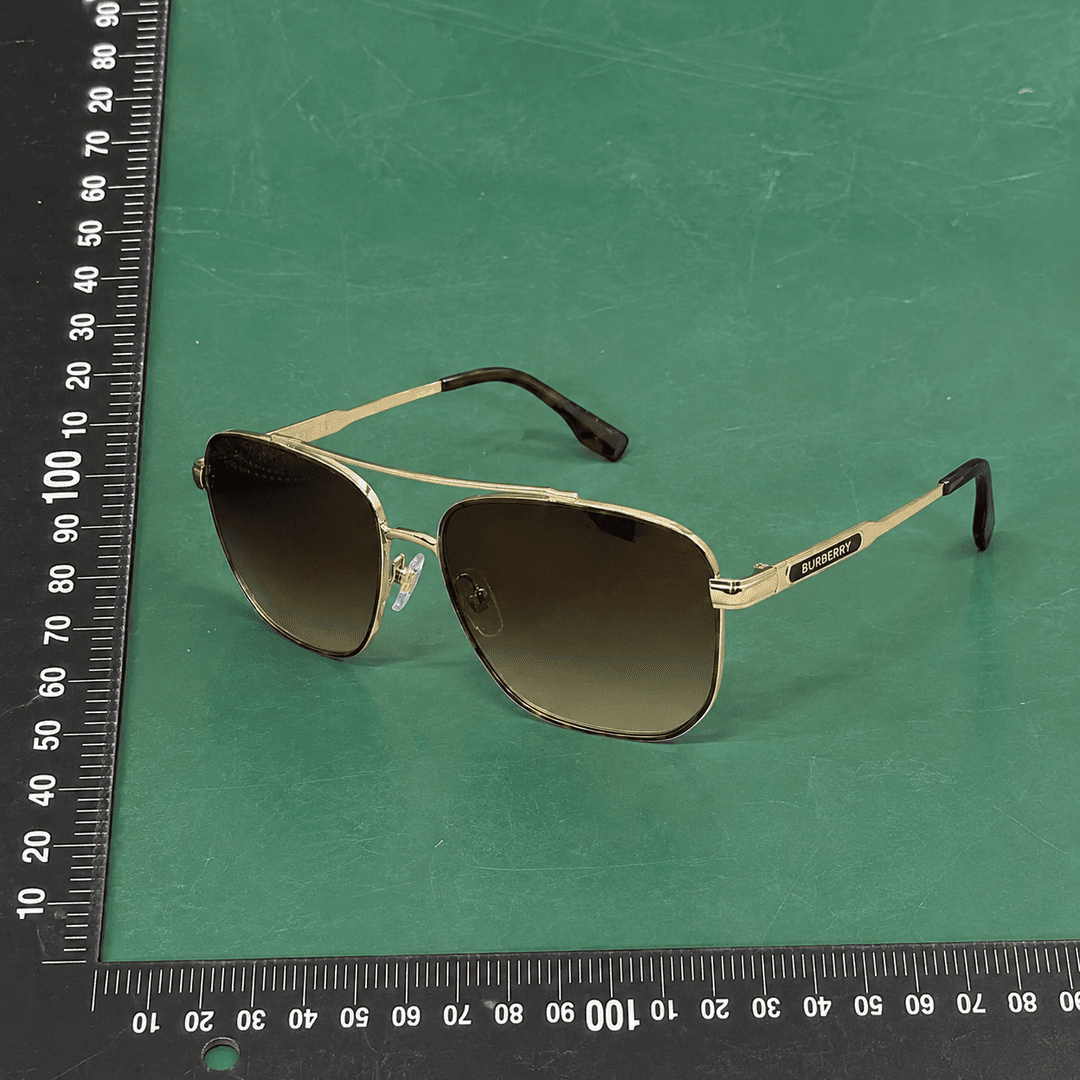
This article first explains what can actually be verified: the currently available QC evidence page corresponds to Burberry Gray Sunglasses on fashion-reps, not an Oakley product. The product information recorded on the page includes gray frames, polarized lens description, and everyday driving use; the page does not provide lens width, bridge width, or temple length. Therefore, the following discussion is limited to what this set of QC evidence can support, and it should not be extended to Oakley authenticity, quality, or specific size guarantees. 🔎

What This Article Aims to Solve: Judging oakley Sunglasses from QC Photos
If you are actually planning to buy Oakley, the first step is not to directly apply the conclusions from these photos, but to go back to the corresponding product detail page and confirm that the product name, color variant, and SKU are indeed for Oakley. Only when the product identity matches can the frame color, temple markings, lens edges, and flaw records in the QC photos be used for your purchase decision on this item.
This evidence page can support the following tasks: confirming the color description of the product referred to on the page, checking whether there is a QC photo entry available, and recording where the photo evidence is insufficient. It cannot support tasks such as confirming brand authenticity, judging polarization performance, proving UV protection, or inferring dimensions that are not shown.
First, Check the Product Detail Page for Style, Color, and Variant
After entering the product detail page, check the following items first:
- Whether the product name matches the brand and style you intend to buy
- Whether the color matches the variant in your order
- Whether the page clearly states the lens type, such as polarized lenses
- Whether the product page has an identifiable SKU, style number, or variant name
- Whether the QC photos belong to the current product, not a recommended product, brand page, or category page
This step is especially important because the title topic in the current record is Oakley, but the verifiable page content is Burberry gray sunglasses. The two cannot be mixed. If the detail page still shows Oakley, but the QC entry jumps to another brand or style, you should pause your order and re-check the product link and variant. ⚠️
Enter the Corresponding QC Gallery via "View QC Photos"
Look for a button named "View QC Photos" on the product detail page, and use that entry to access the QC gallery for the current product. Do not manually guess the QC URL, and do not substitute images from the homepage, brand page, category page, or other products for the current product's evidence.
After entering the gallery, it is recommended to save records in the following order:
- Record the name, color, and variant shown on the product detail page.
- Record the time you entered the QC gallery.
- Save the original QC photos that correspond to the product.
- Label each photo as showing the front, side, temple, hinge, lens edge, or packaging.
- For areas that are unclear, obscured by reflections, or not photographed, clearly write "cannot be determined."
If the photos do not show the product identity, page title, or any relatable style information, you cannot assume they belong to the target product based solely on similar appearance.
Record Visible Information on Frame Color and Left-Right Structure
For a color description like gray frames, QC photos can help check whether the color roughly matches the detail page, but color judgment is affected by lighting, white balance, background, and lens reflections. Conclusions should be separated into two layers:
- Visible evidence: Whether the frame appearance in the photos appears gray or close to gray, whether the left and right frame shapes look symmetrical, and whether the bridge and temples are both visible in the frame.
- Editorial judgment: Under the current lighting, the color is roughly consistent with the detail page description, or there is an obvious color difference that requires further confirmation.
When checking left-right structure, focus on whether there are obvious notches, bends, cracks, or misalignment on the frame edges; also check whether the temple opening angles differ significantly. If only one side is photographed, you cannot judge overall symmetry. If lens reflections cover the frame edges, retain an uncertain conclusion rather than mistaking reflections for scratches.
| Check Area | What Can Be Judged from QC Photos | Handling When Photos Are Insufficient |
|---|---|---|
| Frame color | Color appearance under current lighting, obvious color difference between left and right | Request additional photos in natural light or from different angles |
| Left-right structure | Whether both sides are shown, whether shape is obviously asymmetrical | Do not treat single-side photos as proof of complete structure |
| Lens edges | Visible chipping, cracks, or obvious stains | Mark as unable to determine if obscured by reflections |
| Temple connection | Obvious skew, looseness, or assembly anomaly | Need side and open/closed state photos |
How to Check Temple Markings, Connections, and Lens Edges
For temple markings, first check whether the full characters are photographed, then judge whether they are clear and whether the position matches the product detail page description. Blurry, shadowed, or partially shown text is insufficient to confirm the marking content. Also, just because the font looks neat does not guarantee authenticity or genuine identity.
Items to observe at hinges and connections include:
- Whether there is obvious misalignment at the left and right connections
- Whether screws are abnormally protruding or missing
- Whether there are cracks, rough edges, or obvious glue marks at the temple-frame connection
- Whether the temples skew noticeably when closed
Lens edges require distinguishing stains, reflections, and real defects. A bright line in a single photo may just be a light reflection; only when a fixed break, notch, or scratch appears from multiple angles is it more appropriate to record as a visible issue. Photos cannot replace touch, hinge resistance testing, or polarization testing. 🕶️
Limitations of Photo Angles, Reflections, and Missing Evidence
The value of QC photos depends on coverage, not just clarity. Even if photos are high resolution, without temple inner sides, hinges, lens edges, or left-right side comparisons, corresponding checks cannot be completed.
The current product record does not publicly provide lens width, bridge width, and temple length. Therefore, you cannot estimate suitable face shapes from photos, nor treat "looks proportional" as size confirmation. Those who need dimensions should confirm available measurement information with the seller or shopping agent before ordering.
If photos have the following situations, judgment strength should be reduced:
- Lens reflections obscure edges
- Temple text is in shadow
- Only front view, no left or right sides
- Photos do not cover hinges and temple inner sides
- Photos cannot confirm they belong to the current color or variant
- Photos are inconsistent with the brand or name on the product detail page
Separate Visible Issues from Return/Exchange Decisions
After spotting concerns, do not directly write "photo unclear" as "product flawed." It is recommended to record in three categories:
First category: Clearly visible issues, such as cracks that appear repeatedly from fixed angles, obvious notches, severe frame skew, misalignment, or lens edge chipping. These can be compiled into QC feedback with photo numbers, asking whether return/exchange or reshipment is possible.
Second category: Issues requiring additional photos, such as blurry temple markings, hinges not photographed, color affected by strong reflections, or only one side shown. In this case, request additional photos before deciding whether to accept the product.
Third category: Issues that photos cannot prove, such as authenticity, polarization effect, UV protection, actual wearing comfort, and long-term durability. These should not be written as confirmed product attributes.
If the product brand, color, or style is inconsistent with the order, prioritize handling as wrong item or variant mismatch; if only photo angles are insufficient, request additional evidence first. Save original photos, page names, QC time, and feedback content for later review. ✅
Final Review and Order Action After Saving QC Evidence
Before ordering, use a brief record for final review:
- Product name and brand: consistent with target order
- Color variant: no obvious conflict between detail page description and QC photos
- Frame structure: no clear visible anomaly on left-right and connections, or issues submitted for handling
- Temple markings: character clarity sufficient for further judgment, or additional photos requested
- Lens edges: no confirmed chipping or cracks, reflection-obscured areas separately marked
- Size information: confirmed, not yet provided, or unsuitable to decide from photos alone
- Evidence status: photos belong to current product, not other brands or styles
The actual benefit of this verification is to reduce decision risk before shipping from wrong items, obvious appearance defects, and insufficient evidence; it does not prove authenticity, nor guarantee wearing comfort or polarization performance. It is suitable for buyers who care about appearance details, are willing to keep evidence, and request additional photos or returns/exchanges when anomalies occur. It is not recommended to place an order directly when brand identity, size, or lens performance must be certain but QC photos cannot cover these items.
About Daniel Foster
Kakobuy and Yupoo agent workflows, replica-apparel quality control, and cross-border shipping logistics.
Daniel Foster is Editor-in-Chief of Kakobuy Yupoo Review, overseeing all reviews and maintaining the testing standards. Coverage includes Kakobuy and Yupoo agent workflows, replica-apparel quality control and cross-border shipping, with both garment use and agent response included in reviews. Daniel wears every apparel item for at least three days before scoring and photographs all tags, stitching and hardware. Agent response times are recorded to the minute, allowing the article to describe both the physical checks and the waiting time within the service process.